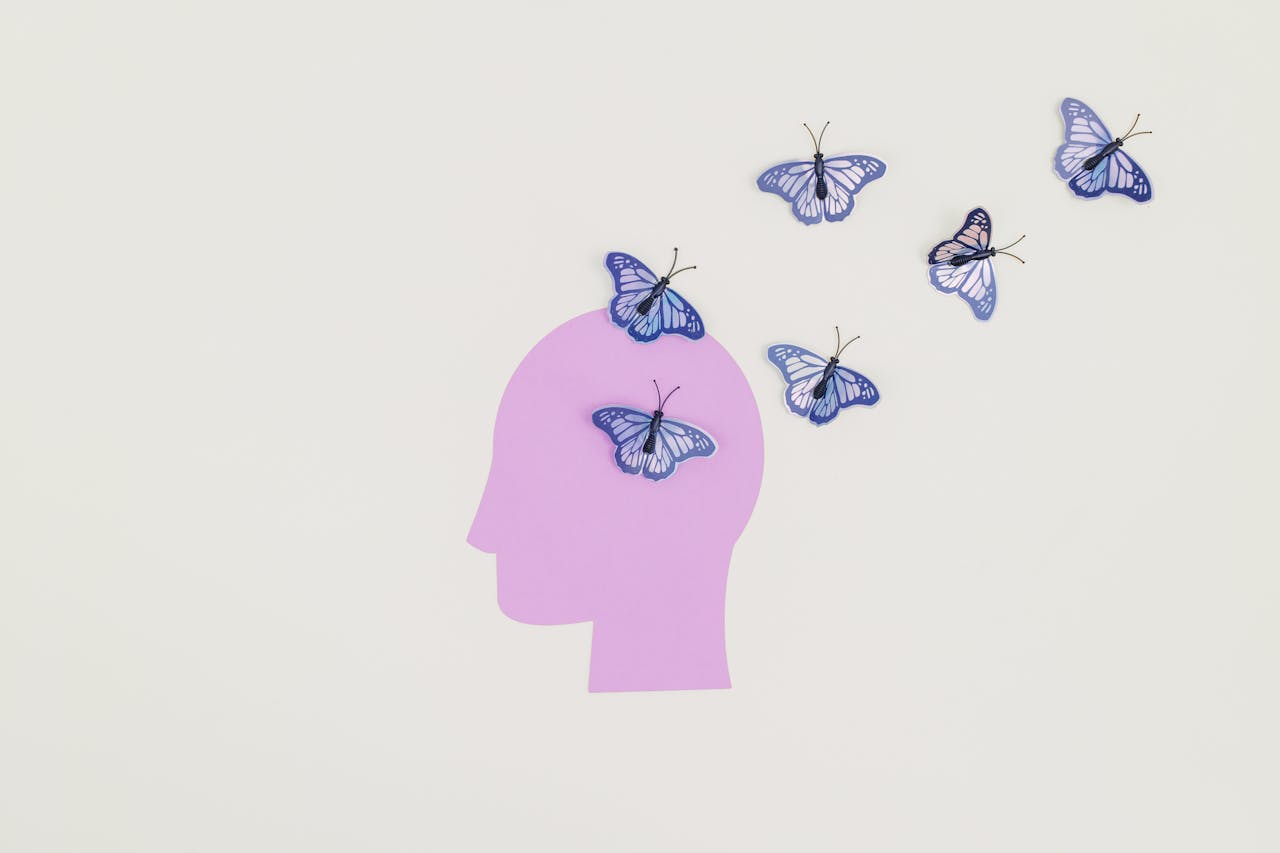
Stress shows up for most of us on a daily basis. It might look like rushing out the door to make it to work on time, juggling responsibilities at work and at home, or trying to recover after a difficult conversation with someone you care about. Some days, it’s all of those things at once. It’s no surprise that difficulty managing stress is one of the most common reasons people seek therapy.
Understanding What Stress Actually Is
To manage stress, it helps to first understand what’s happening in your body when you feel it.
You may already be familiar with the fight-or-flight response, the body’s automatic reaction to perceived or real danger. This response triggers a cascade of physical and emotional changes: racing heart, tight chest, sweaty palms, and feelings of fear or dread. While these sensations are uncomfortable, they’re not random or harmful by design. They evolved to prepare us to take action in the face of threat.
So when your heart starts pounding after seeing an unexpected email from your boss, your body is essentially reacting as if that email were a prowling lion. It’s gearing you up to survive.
Of course, most of the stressors we face today—emails, deadlines, meetings, traffic—aren’t life-threatening. But our brains aren’t wired to distinguish between a literal threat and a perceived one. To your nervous system, a performance review can feel just as urgent as physical danger.
Shifting From Self-Criticism to Self-Compassion
Once you understand this, the next step is surprisingly simple: acknowledge and thank your mind and body for trying to protect you, even if they’re going a bit overboard.
This shift toward self-compassion changes the relationship you have with your stress. Instead of treating your emotional responses as the enemy, you begin to meet yourself with understanding and patience. You’re not weak or broken for feeling stressed. You’re human, operating in a fast-paced world, with a myriad of small and large challenges thrown your way.
Our minds interpret challenges as threats because, at some point in our personal or collective history, similar challenges really were threats. When your stress shows up, it’s not a failure. It’s your nervous system doing its job.
Beating yourself up for feeling stressed only adds fuel to the fire. Self-criticism increases anxiety and makes stress harder to manage, not easier. Instead, find compassion for the fact that you are doing the best you can showing up in a complicated and stressful world.
Creating the Conditions for Real Stress Management
When you approach stress with kindness rather than judgment, you create the foundation for meaningful change. So first, be kind to yourself and thank your brain and body for trying to protect you from threats. Choose to be compassionate and understanding of the stress you are under, reminding yourself that you can find ways to manage both your emotions and the situation. From that place, it becomes easier to practice practical stress-management strategies—things like:
- prioritizing sleep
- moving your body
- practicing deep breathing
- challenging catastrophic thinking
- advocating for yourself when something isn’t sustainable
There will be more to say about specific techniques in future posts. For now, it’s worth remembering that self-compassion isn’t a passive response. It’s an active one. It grounds you, settles your nervous system, and puts you in a better position to respond thoughtfully rather than reactively.
In a city and culture that often reward constant urgency, choosing kindness toward yourself can be a powerful first step toward managing stress more effectively.